
Marking World Malaria Day.
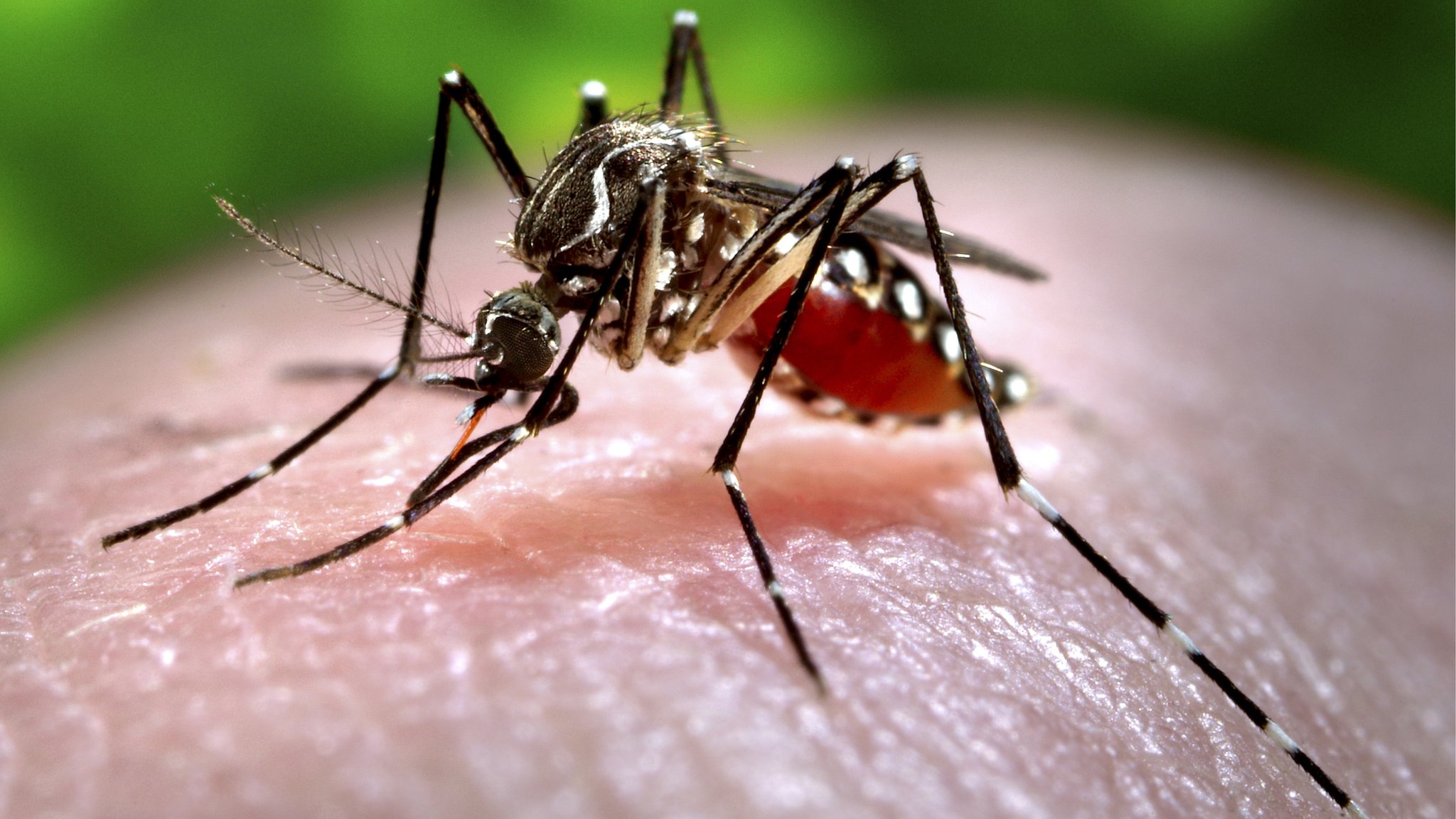
In a world still recovering from the devastation of the COVID-19 pandemic, compounded by wars, natural disasters, kidnappings, and other humanitarian crises, it is understandable that global attention has been stretched thin. Yet amid these headline-grabbing catastrophes, one deadly disease continues to claim hundreds of thousands of lives each year with far too little urgency: malaria — the silent killer.
As we commemorate World Malaria Day on 25 April, we are reminded that
malaria remains one of the world’s most persistent public health threats. More
than three billion people are still at risk globally, and over 600,000 people
die from the disease each year — most of them children in Africa. While
sub-Saharan Africa bears the heaviest burden, malaria is not confined to one
continent. Parts of Asia, Latin America, and even pockets of Europe continue to
report cases. Malaria is a global problem, and it demands sustained global
attention.
Understanding malaria is the first step toward defeating it. The disease is
caused by single-celled parasites of the genus Plasmodium and is transmitted
primarily through the bite of an infected female Anopheles mosquito. The
infection follows a complex life cycle involving both humans and mosquitoes.
When an infected mosquito feeds on human blood, it injects parasites into the
bloodstream. These parasites travel to the liver, where they mature and
multiply before invading red blood cells. As infected blood cells rupture, they
release more parasites into the bloodstream, triggering the characteristic
symptoms of malaria: fever, chills, headache, and fatigue. Without prompt
diagnosis and treatment, the disease can quickly become severe and fatal.
Although mosquito bites account for most infections, malaria can also be
transmitted through blood transfusions, organ transplants, shared contaminated
needles, or from a mother to her child during pregnancy or childbirth. The
disease does not discriminate. It does not respect wealth, status, or
geography. Anyone exposed to infection can fall victim.
Encouragingly, sustained awareness campaigns and prevention efforts have
contributed to declines in new malaria cases in several regions. This progress
is worth celebrating — but it must not breed complacency. A reduction in cases
does not equal eradication. If prevention efforts weaken, the disease can
quickly regain ground.
The fight against malaria begins at home and extends outward to the global
community. Proven tools already exist: insecticide-treated bed nets, indoor
residual spraying, prompt testing, effective treatment, and environmental
management. Simple actions — such as eliminating stagnant water where
mosquitoes breed — can significantly reduce transmission. Education and
community engagement remain powerful weapons in this fight.
If we neglect these measures, mosquitoes will continue to win. But if we
remain vigilant, invest in prevention, and strengthen public awareness, lives
will be saved. On this World Malaria Day, let us renew our commitment to ending
malaria once and for all. The disease may be silent, but our response must not
be.
For more
about this story in a cartoon form, and other articles, kindly read the latest
issue of Kata Kata Magazine. https://katakata.org/satmagazines