
Beyond Appearances: Choosing What Endures.
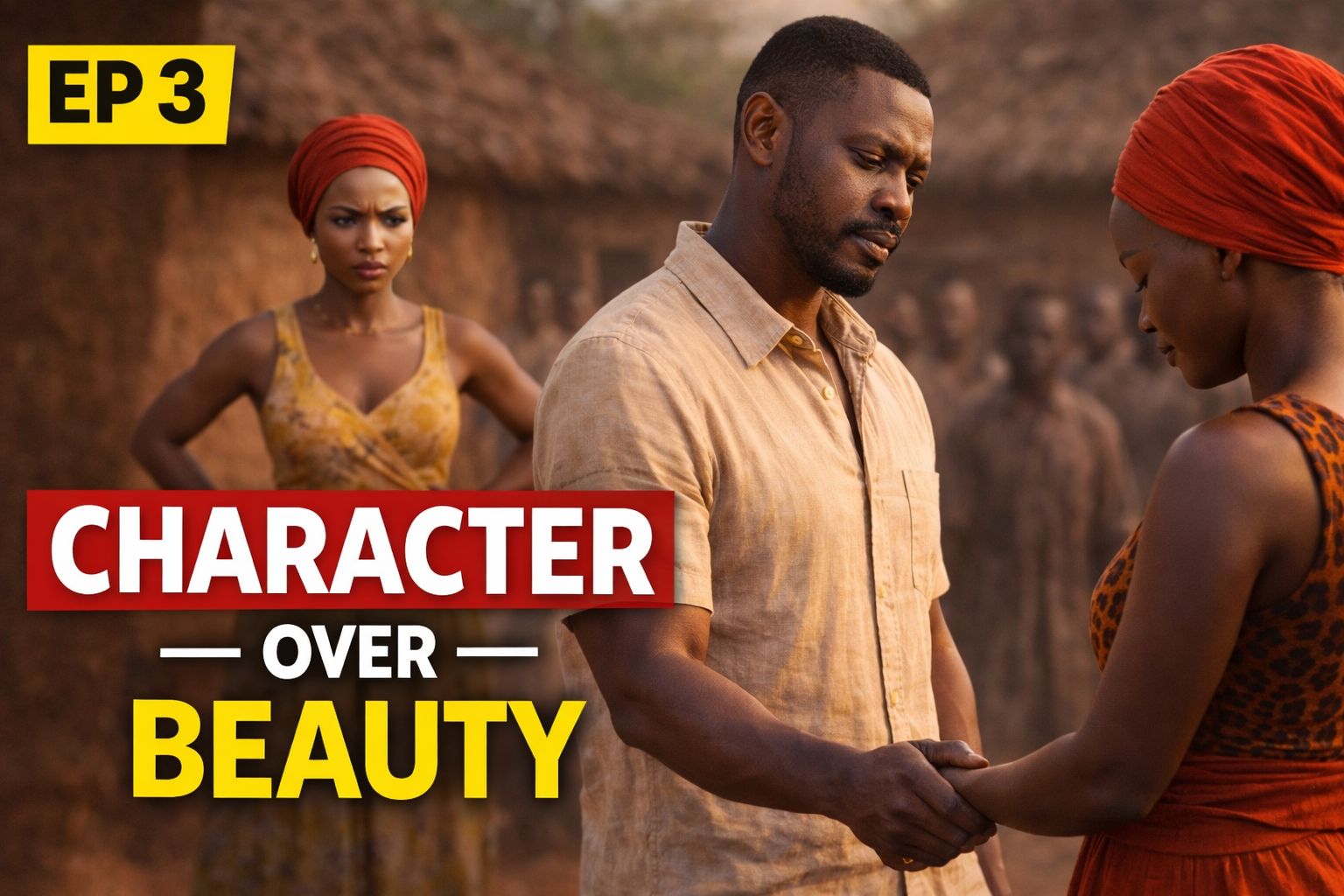
The choices we make do more than determine outcomes; they quietly shape our moral and social worlds. Among these, the tension between beauty and character is crucial because it highlights how superficial judgments can obscure deeper ethical values. To assume that beauty alone signifies goodness is a persistent illusion. When the absence of visible flaws is detached from ethical substance, it becomes a flaw in itself — an emptiness rendered flawless. Classical thought warned against this confusion: beauty without virtue may attract admiration, but it cannot command respect or inspire transformation.
This is not an argument against beauty. Across
philosophical traditions, beauty has been understood as a threshold — an
invitation to truth, harmony, and meaning. Its power lies in its capacity to
point beyond itself. The danger emerges when beauty is treated as an end rather
than a beginning, when it is admired without engagement. In such moments,
beauty becomes static, reduced to surface and spectacle. It is consumed, not
encountered.
Genuine beauty asks something of us. It disturbs as
much as it delights; it calls for reflection, participation, and moral
attention. Whether found in art, in a human life, or in collective ideals, it
cannot be fully grasped by inspection alone. It must move us — expand our
ethical imagination and awaken responsibility. When beauty is aligned with
character, it possesses this transformative force. When separated from
character, it risks becoming merely cosmetic: impressive, yet ultimately
inconsequential.
The choice to privilege character, however, is neither
simple nor without sacrifice. This imbalance influences societal trust and
social bonds, encouraging the audience to reflect on how societal values shape
perceptions of beauty and character.
Beauty inspires aspiration and shapes ideals. When it
expresses inner virtue, it can inspire us to pursue a more meaningful and
enduring sense of beauty rooted in character.
In an age saturated with images, metrics, and curated
selves, this alignment is not merely personal but political. To recognise moral
character as a universal form of beauty is to resist reduction and reaffirm
shared human values beyond surface distinctions. Such recognition invites
responsibility: in what we cultivate within ourselves, and in what we choose to
admire, reward, and uphold. The choice that endures is the one that enlarges
our humanity — individually and collectively — and leaves behind more than a
pleasing surface.